How to Optimize Inventory: A Practical Guide to Reducing Shortages, Excess Stock, and Working Capital Pressure

Summary
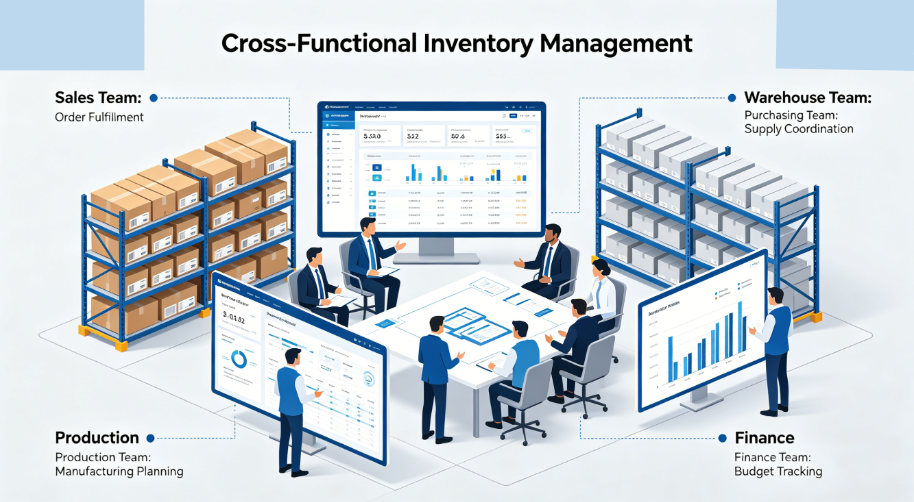
×Inventory problems rarely come from the warehouse alone. Sales teams understand customer demand, purchasing teams manage supplier lead times, warehouse teams see on-hand stock, finance teams focus on working capital, and planning teams need materials available at the right time. When these perspectives are not connected, inventory decisions become fragmented.
Too much inventory ties up cash, consumes warehouse space, and increases the risk of obsolete or slow-moving stock. Too little inventory leads to production delays, late shipments, emergency purchasing, and lower customer satisfaction. Effective inventory optimization answers practical questions: which items should be protected, how much stock is enough, when replenishment should happen, who owns the decision, and how exceptions should be handled.
Start by Identifying the Inventory That Matters Most
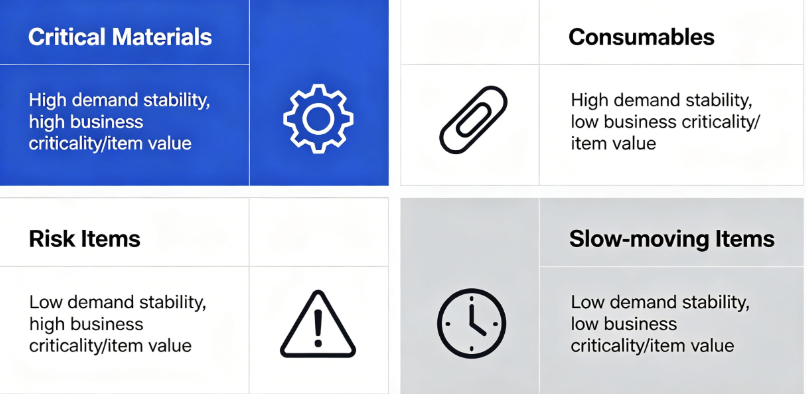
Inventory optimization should not apply the same rules to every item. High-value parts, critical components, long-lead-time materials, perishable items, and low-cost consumables all create different types of risk. If every item follows the same safety stock, approval, and replenishment process, management effort increases while results often remain weak.
A practical first step is to classify inventory by value, demand frequency, supplier lead time, shortage impact, and substitution difficulty. High-value items with unstable supply may need tighter forecasting, approval, and risk tracking. Low-value, frequently used items may be better managed through rule-based replenishment. Classification helps companies focus attention where inventory has the greatest impact on delivery, cash flow, and operational stability.
Safety Stock Should Not Depend Only on Experience
Many companies define safety stock using historical habits, such as keeping three months of supply or maintaining a fixed minimum quantity. This method is easy to understand, but it often fails when demand changes, supplier lead times shift, or order patterns become less predictable. Some items remain overstocked, while critical items still run short.
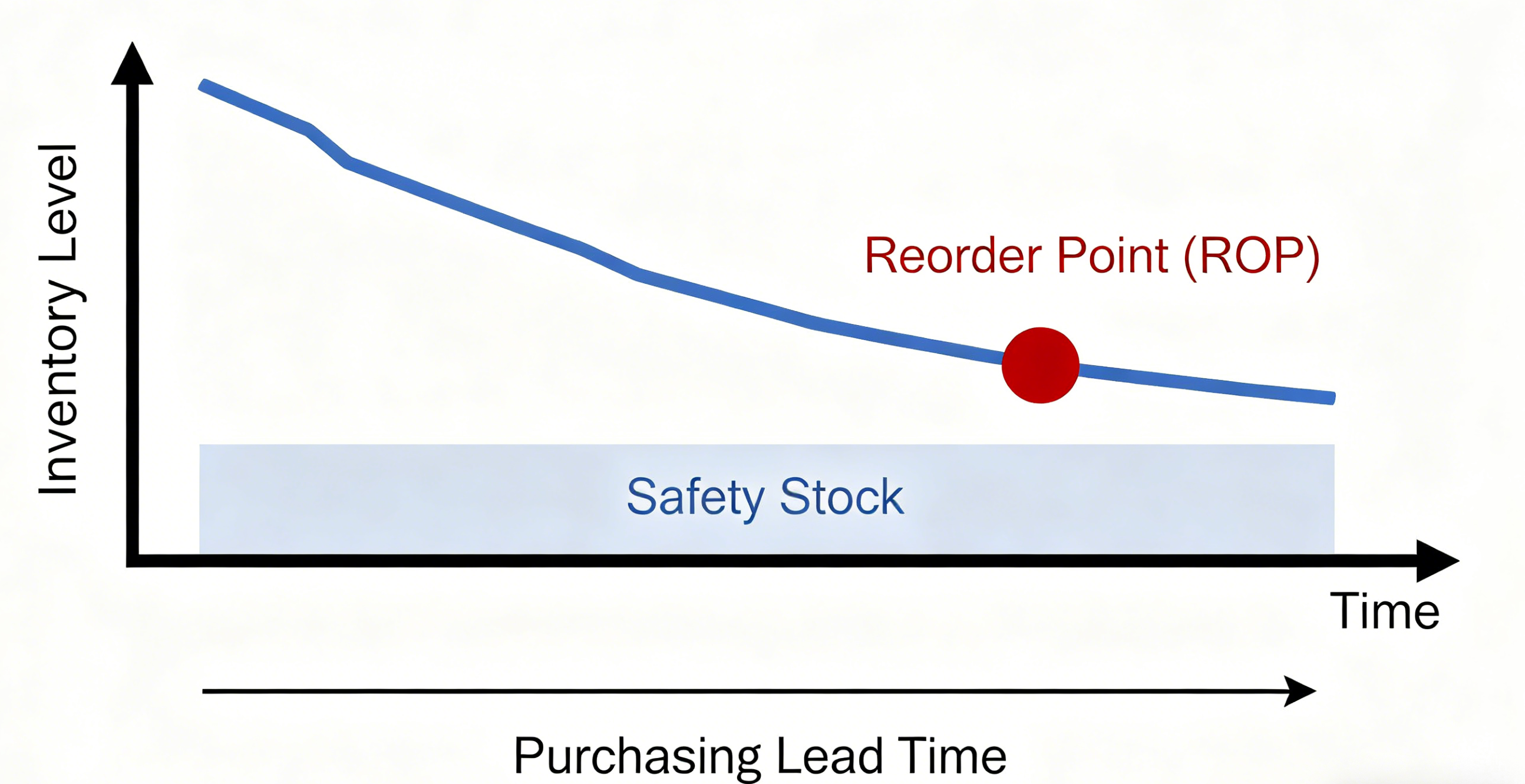
A stronger safety stock policy considers demand variability, supplier lead time, supplier reliability, and required service levels. Higher demand volatility and longer replenishment cycles usually require more careful protection. Stable supply, short lead times, and available substitutes may allow lower safety stock. Safety stock rules should also be reviewed regularly rather than set once and left unchanged.
Replenishment Should Move from Reaction to Early Warning
When companies only purchase after stock is nearly depleted, replenishment becomes reactive. Purchasing teams rush suppliers, warehouse teams handle urgent movements, and sales or production teams constantly ask when materials will arrive. Everyone appears busy, but the organization is using emergency communication to compensate for weak planning.
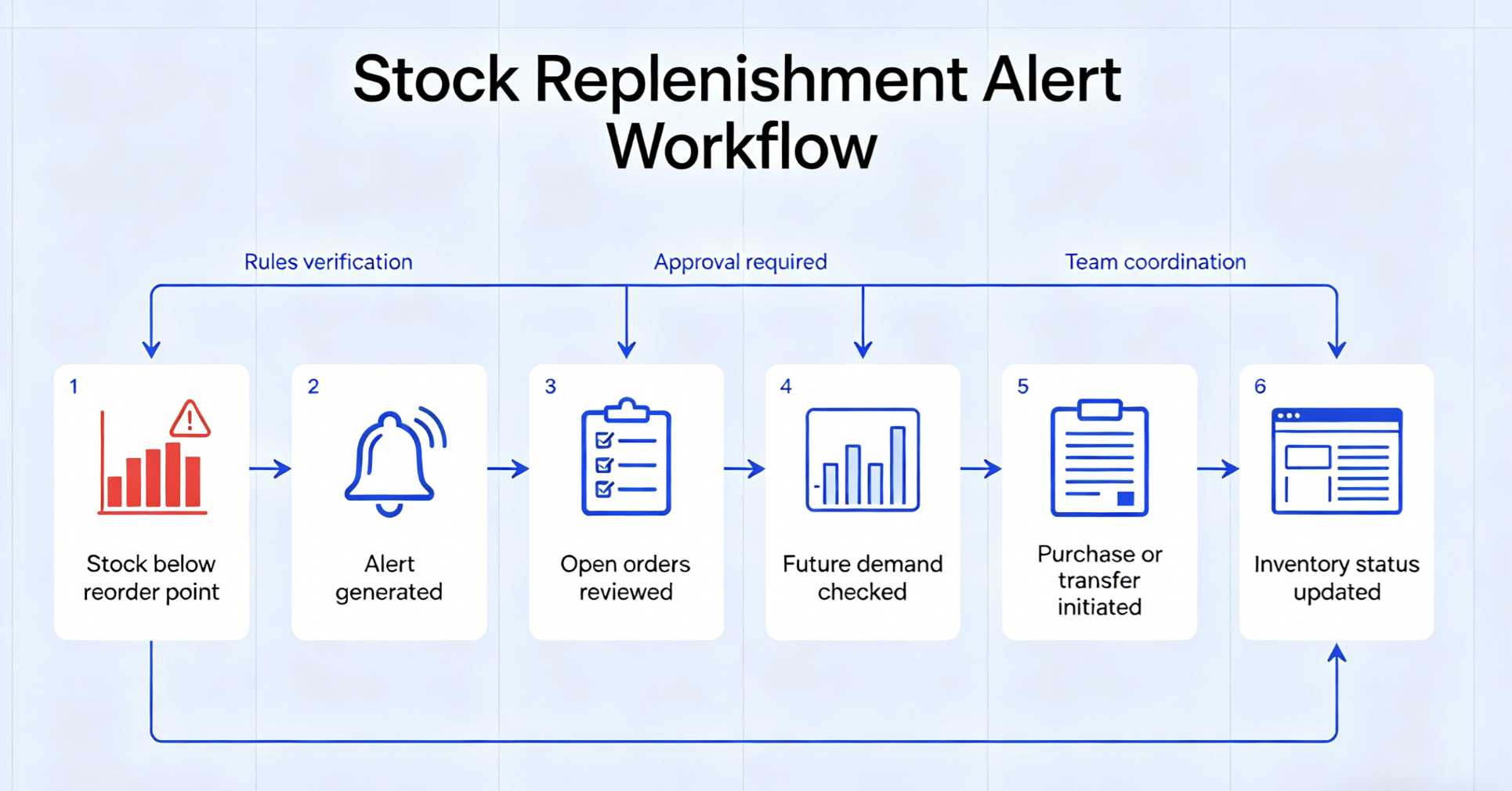
A better replenishment process uses visible rules and early alerts. The company should be able to review current inventory, open purchase orders, future demand, historical consumption, and supplier lead times together. With that visibility, teams can act before inventory risk becomes a real shortage. They may place orders earlier, adjust production, use substitutes, or confirm delivery expectations with customers. Replenishment becomes a planned process instead of a constant firefighting exercise.
Excess Stock Requires Aging and Demand Visibility
Many companies focus heavily on shortages but pay less attention to the financial impact of excess stock. Excess inventory does not always create an immediate customer-facing problem, so it is often addressed later. Over time, however, it consumes warehouse space, increases counting effort, reduces cash efficiency, and may become obsolete after product changes, project cancellations, or demand shifts.
Inventory health should be measured by more than total stock value. Companies should review aging, turnover, future demand, and possible alternative use. Some items may have low value but still create operational burden because they occupy space, require repeated counting, and have almost no demand. Slow-moving, non-moving, and unusually growing inventory should be reviewed regularly, with actions such as purchase restrictions, internal substitution, sales programs, or planned clearance.
Inventory Optimization Must Connect Purchasing, Sales, and Planning
Inventory cannot be optimized by the warehouse alone. Poor sales forecasts can lead to incorrect purchasing. Frequent production plan changes can disrupt material preparation. Unstable supplier lead times can force higher safety stock. A finance-only view may reduce inventory value while overlooking the delivery risk created by missing critical items.
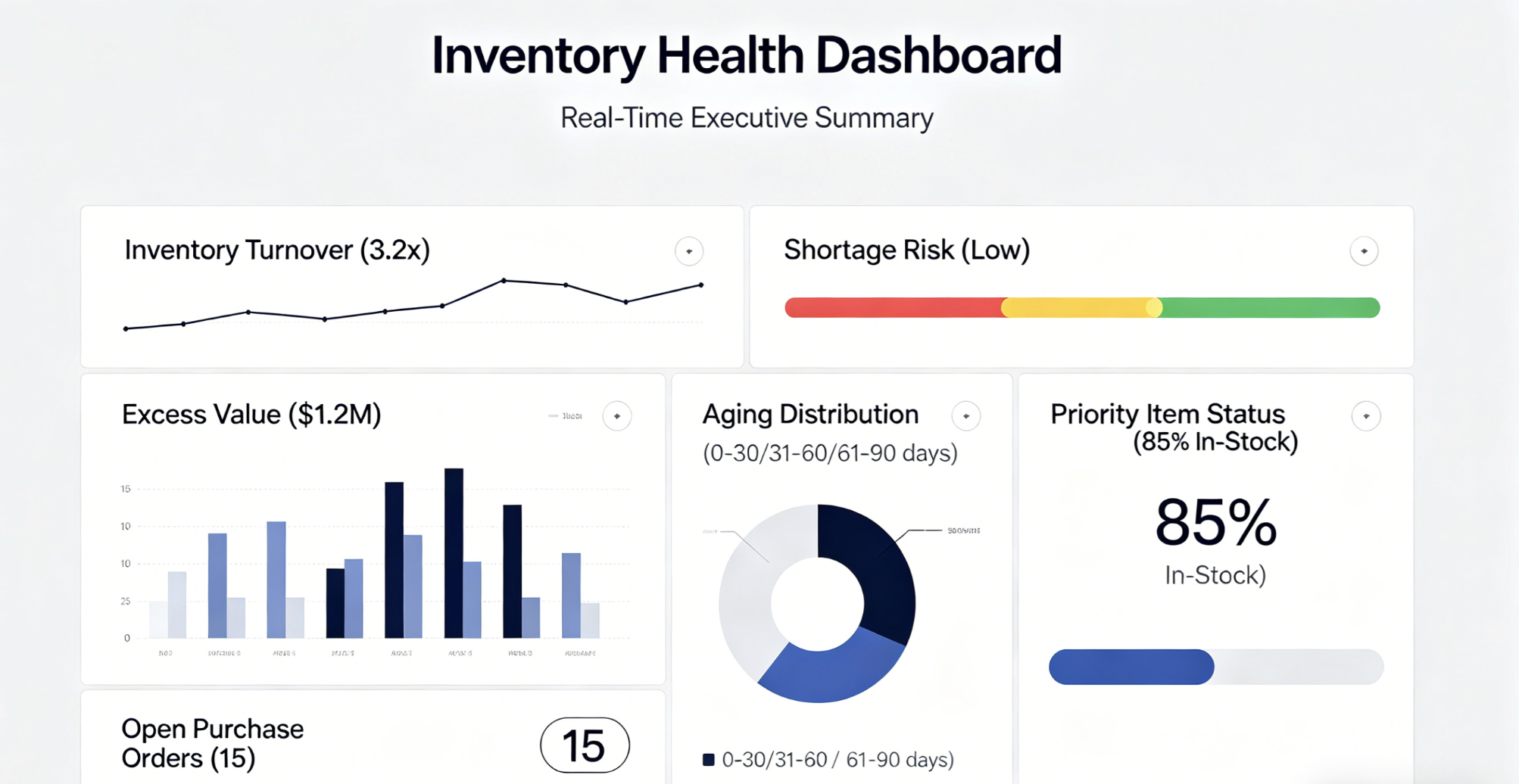
Companies should establish a shared inventory review process or dashboard that tracks shortage risk, excess risk, open purchase orders, priority items, aging structure, and turnover performance. The goal is not only to report numbers, but to define actions. Teams should decide which items need replenishment, which purchases should pause, which inventory should be consumed, and which suppliers require follow-up. Inventory data becomes valuable when it drives clear ownership, deadlines, and operating decisions.
Success Should Not Be Measured Only by Lower Inventory Value
A lower inventory balance does not always mean better inventory performance. If reduced stock leads to more shortages, late orders, production downtime, or customer complaints, the company has simply transferred inventory cost into delivery risk. Effective inventory optimization balances cost, efficiency, risk, and service levels.
Useful metrics include inventory turnover, stockout rate, order fulfillment rate, inventory accuracy, aging structure, obsolete stock ratio, purchasing lead time, and forecast variance. These metrics can also be reviewed by category, warehouse, project, supplier, or product line to find the true source of problems. A complete measurement system helps management understand whether inventory reduction reflects healthy improvement or hidden risk.
Inventory as a Controllable Operating Capability
Inventory optimization depends on clearer data, better rules, and more consistent workflows. Companies do not need to begin with complex models. They should first address unclear classification, delayed replenishment, hidden excess, inconsistent data, and undefined ownership. Once the foundation is stronger, forecasting, automated replenishment, multi-warehouse transfers, and supplier risk management become far more useful.
When inventory management becomes rule-based, data-driven, and collaborative, companies can detect risk earlier and control cost more reliably. Inventory is no longer just stock sitting in a warehouse. It becomes a critical resource connected to cash flow, delivery performance, customer commitments, and operating efficiency. Optimizing inventory ultimately improves how the business responds to demand changes and supply uncertainty.