How Smart Scheduling Reshapes Business Management

Summary
×There are already various scheduling systems on the market. But the real pain point has never been "whether there is scheduling”. It is:
Can your scheduling system help you make decisions?
Today, I want to show you a truly intelligent management tool. It does not just record who is working which day. It connects "people" with "work" and lets data think for you.
More Than an Employee List
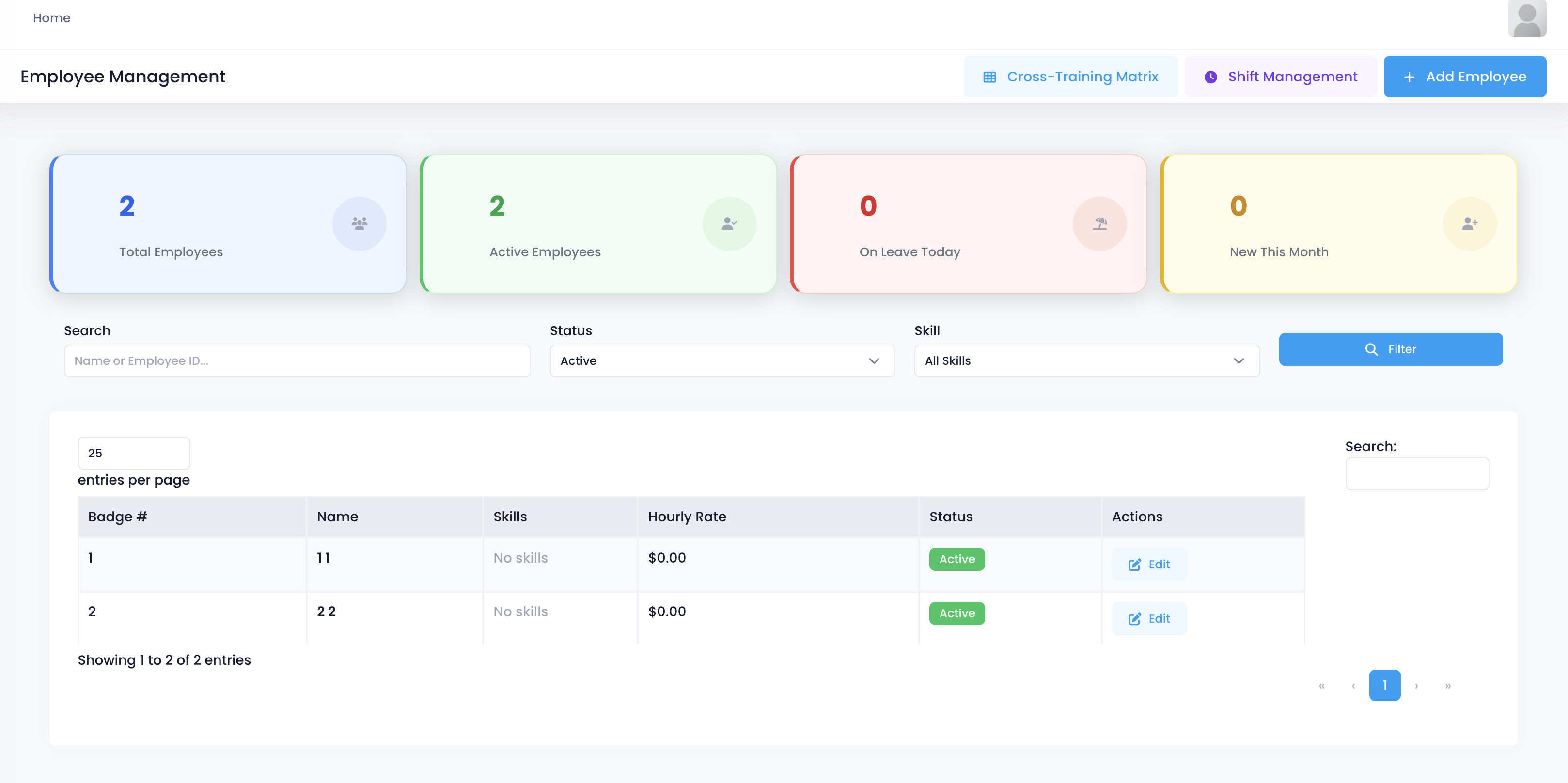
Ordinary scheduling systems tell you "who is here". This system tells you "who can do what, at what cost, and how to deploy them”.
Skills Tags: Track core capabilities at a glance
Hourly Rate: Foundation for project cost accounting
Status Filter: Instant view of team composition
Individual Control: Update information without hunting through chats
Shift Schedule as Workforce Map
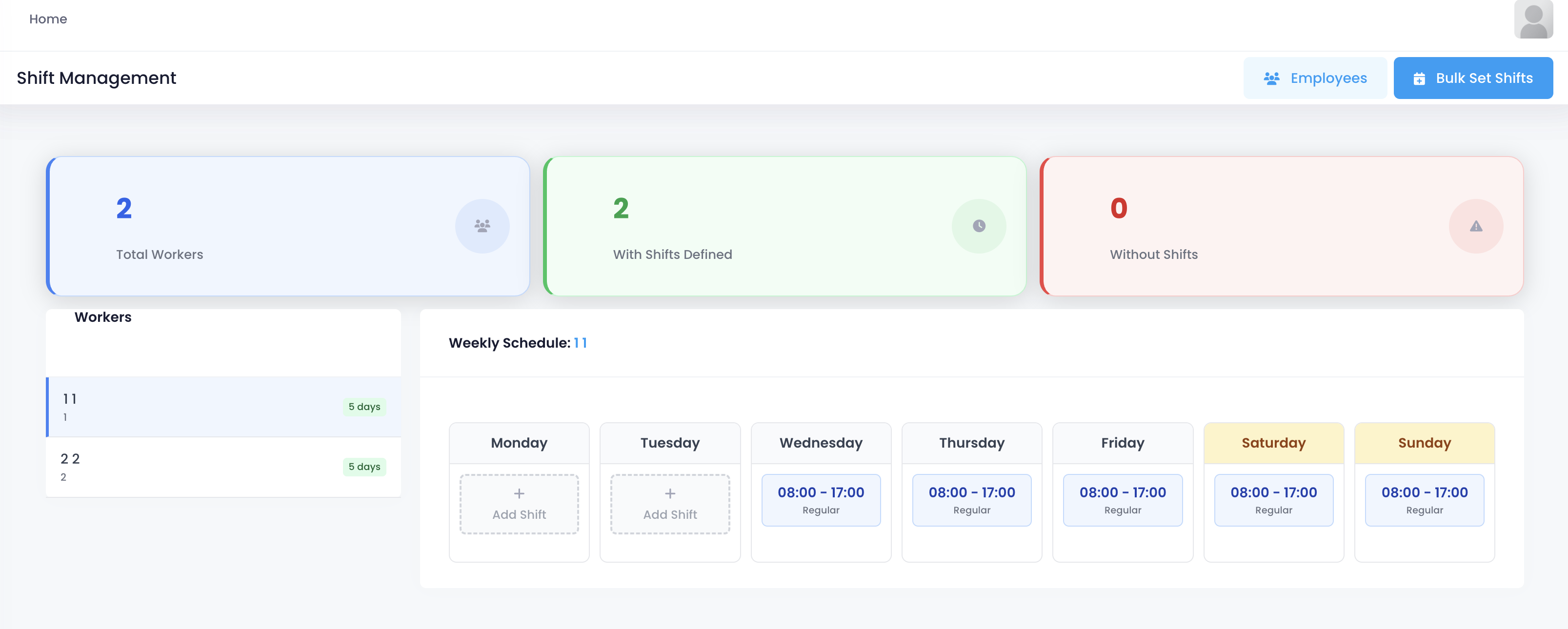
This isn't just filling in grids. It's visualizing your most essential resource.
Weekly View: See everyone's work rhythm in one place
Shift Types: Regular, on call, rotational, all clearly marked
Visual Clarity: Color blocks replace verbal confusion. No more back and forth confirmation.
Making Workforce Gaps Visible
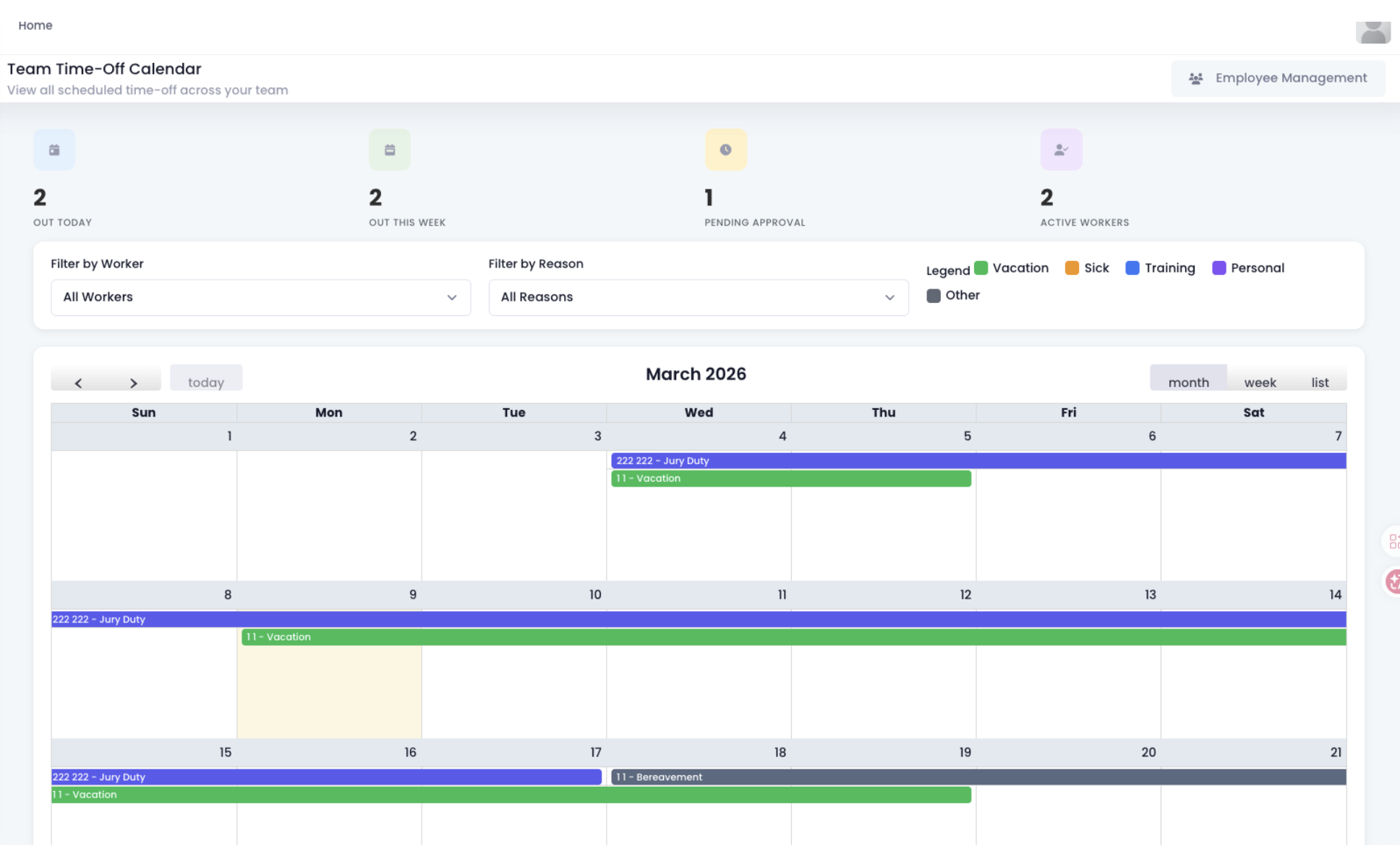
The most overlooked yet most valuable page.
Leave Type Distinction: Vacation, sick, training, personal, jury duty. Each requires different management response.
Team Perspective: See how many people are out today, not just individual absences
Early Warning: Spot coverage gaps before they happen, not after
Ordinary systems record "who took leave".
This system shows "where the gaps are and how to fill them".
Connecting People with Work
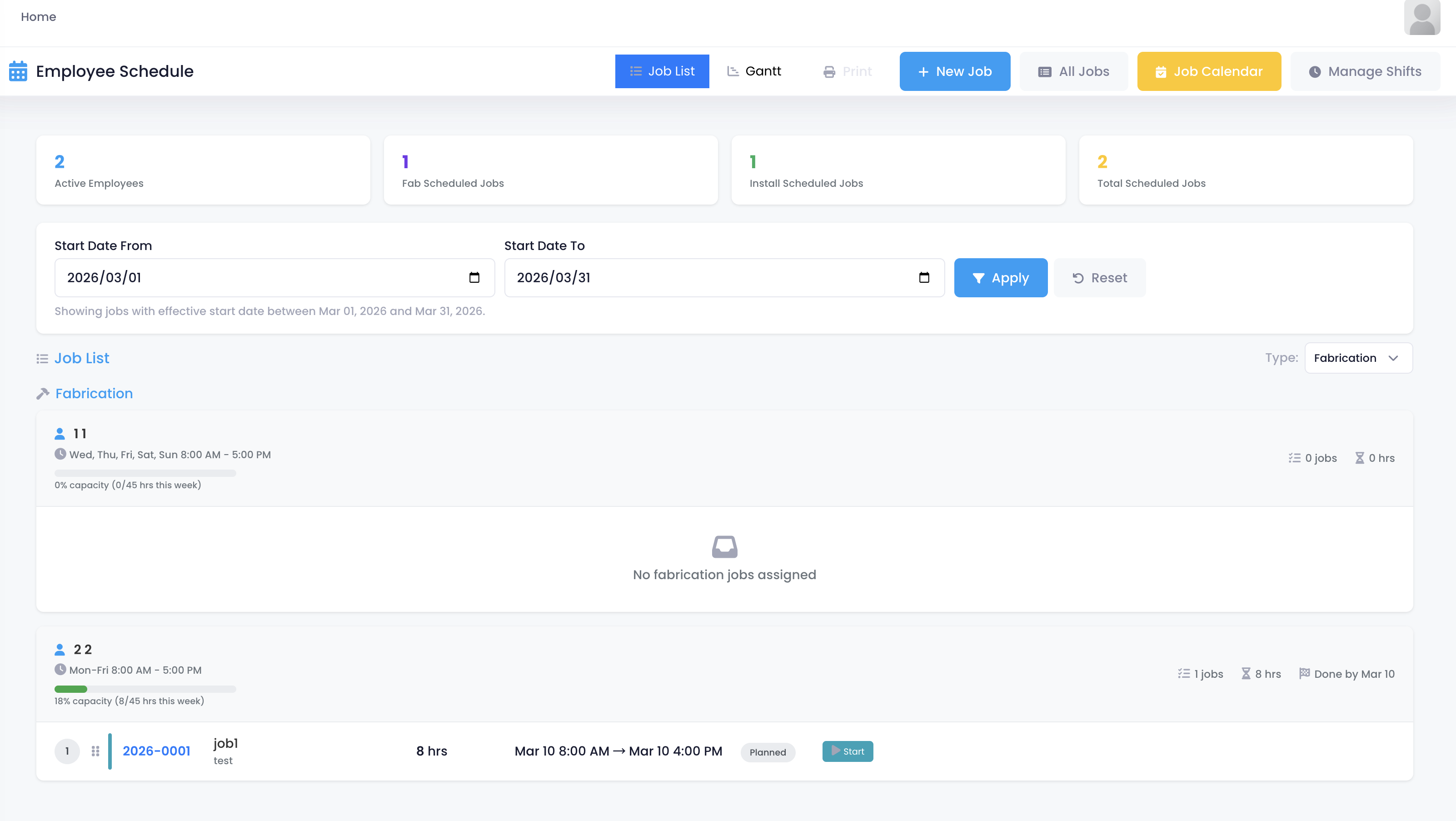
Task management that links workforce and operations.
Task to Person: Clear assignment, no more "go find someone"
Capacity Calculation: Automatic utilization tracking, no manual math
Timeline View: Tasks linked to schedules, conflict alerts built in
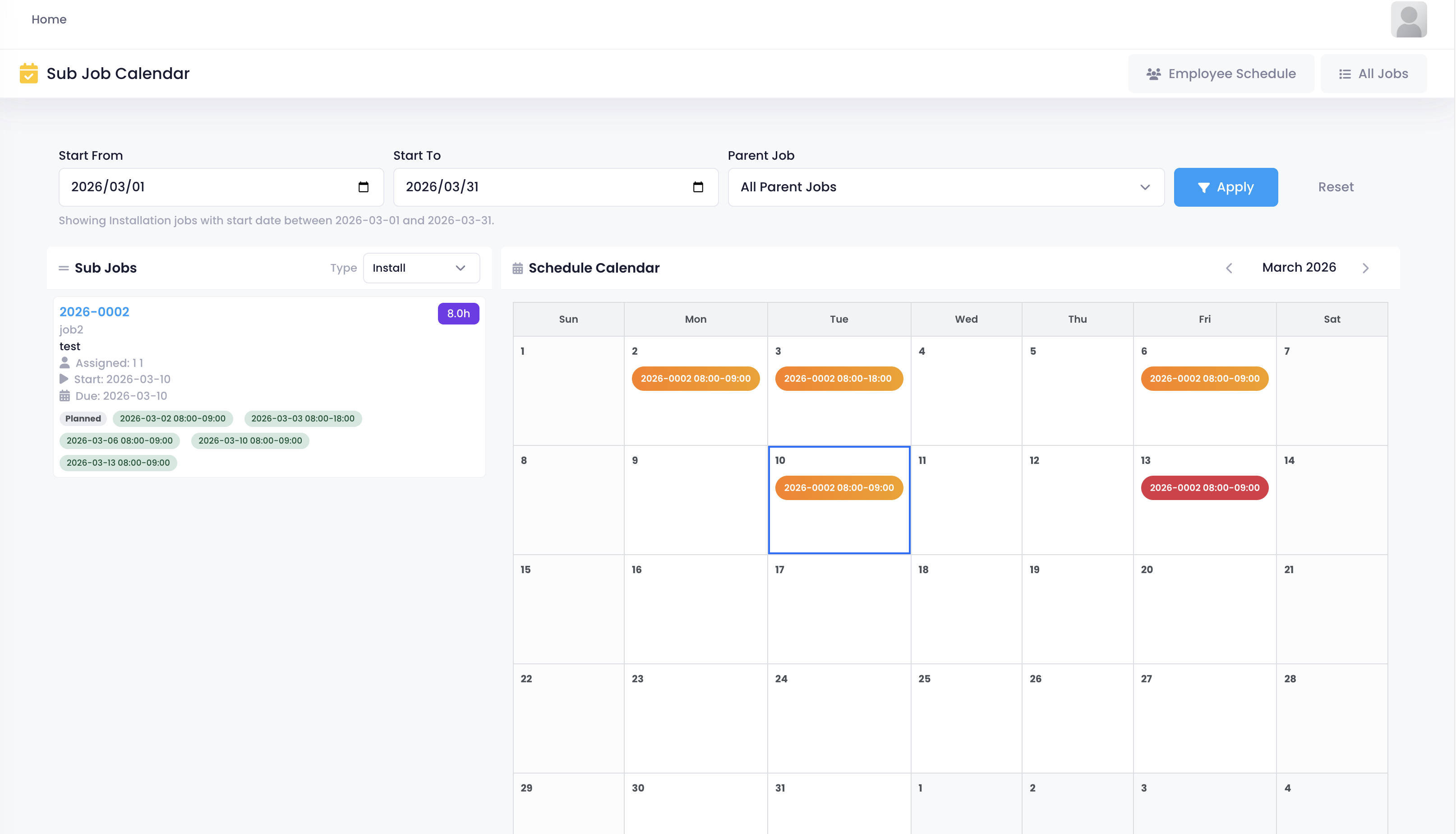
Calendar view for complex work
Task Breakdown: Multi day projects made visible
Precise Allocation: Morning on A, afternoon on B, clearly tracked
Conflict Warning: Alerts before problems occur, not after
Final Thoughts
Ordinary systems solve "can I remember this".
This system solves "can I see clearly, calculate accurately, and manage effectively”.
It delivers what matters:
Who has what skills
What each person costs
Who is in or out on any day
How much time each project takes
How much capacity remains for new work
Is your business ready to move from record keeping to intelligent management?