Four Million Reasons to Track Your Inventory

Summary
×Four million dollars worth of goods sitting in a warehouse. What is the biggest fear?
It is not that the numbers might not add up. It is that you cannot answer the simple questions: When did this batch arrive? Who bought that batch? How many of that part are left on the shelf? When should we reorder?
The data is all there, but when you actually need to check, you end up digging through spreadsheets, making phone calls, relying on memory. A lot of work, and the answer might still be wrong.
This system does one simple thing: it tracks every item from the moment it arrives to the moment it leaves. Every step leaves a trace.
Open the Page, See Your Assets at a Glance
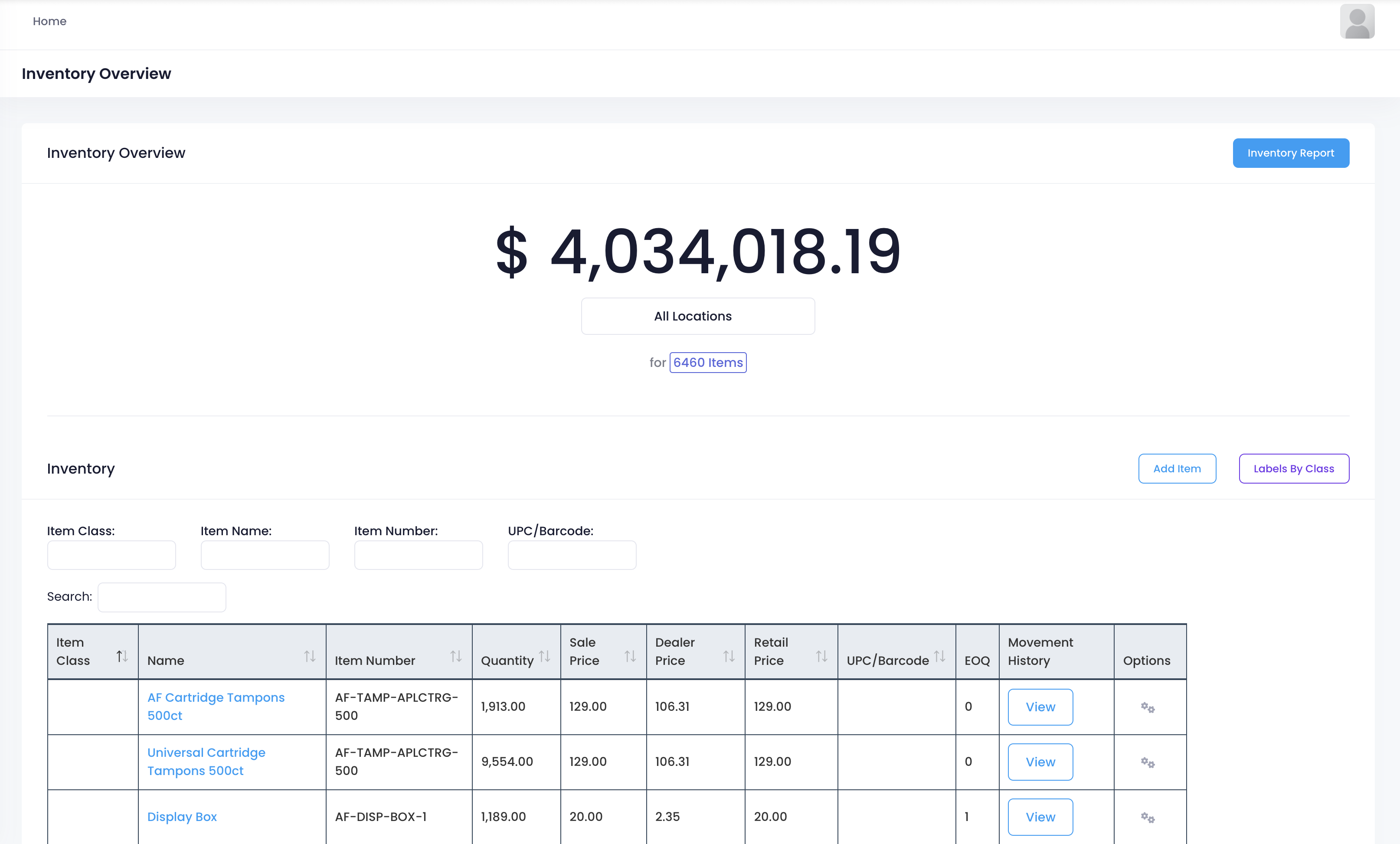
The first thing you see is the total inventory value, $4,034,018.19. More than six hundred categories of goods. You know the total worth instantly.
Scroll down, and every category shows its prices clearly. Selling price, dealer price, retail price. The same item sold to different customers at different prices, all separated in the system. No more flipping through multiple versions of price lists. No more worrying about quoting the wrong price.
Search for what you need directly. Add a new item with one click. All the necessary information is there, nothing extra.
Every Transaction Has a Name Attached
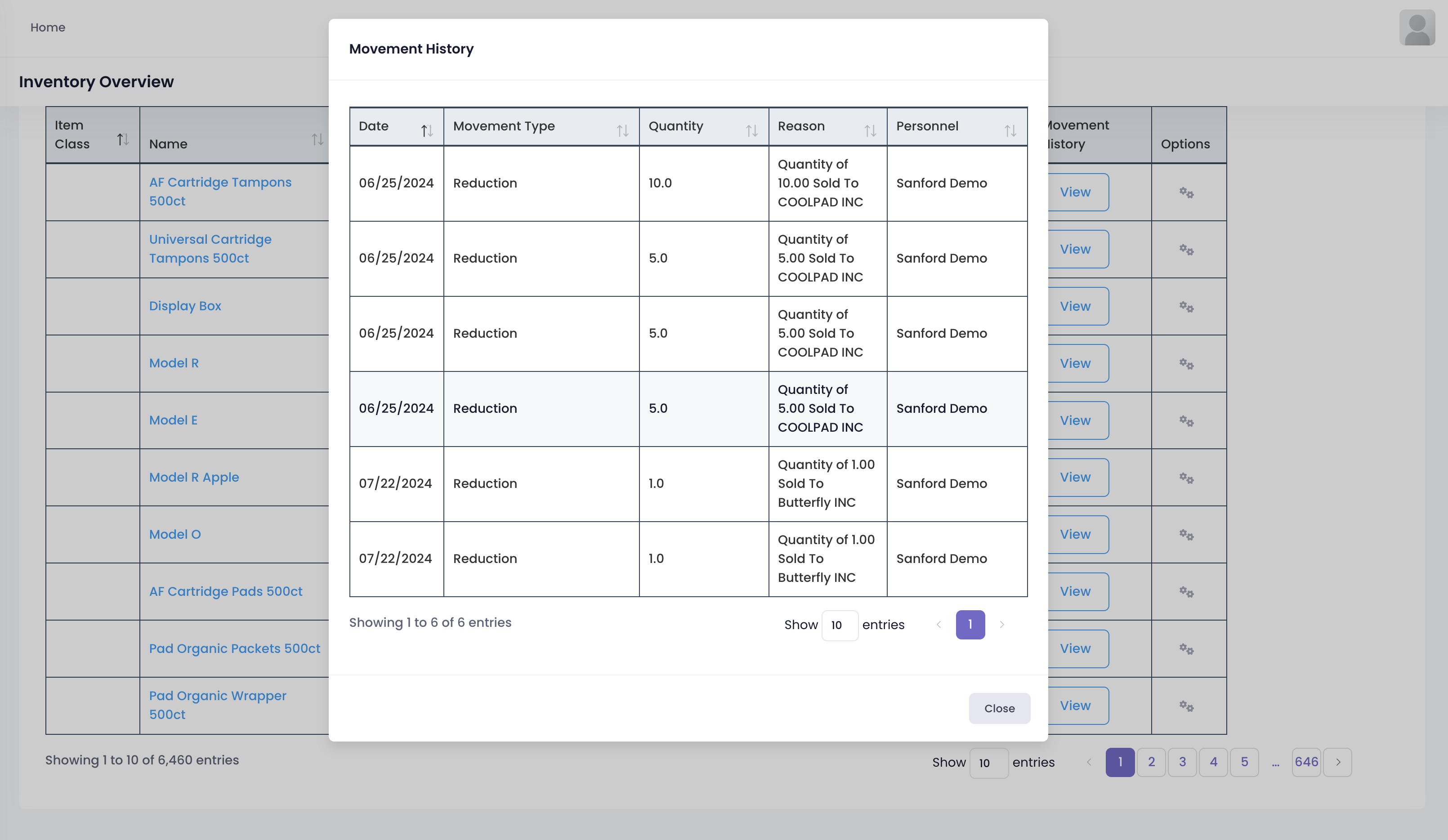
Click on Movement History for any category. What you see is not a bunch of cold numbers. You see records:
June 25, sold to COOLPAD INC, 10 cases, handled by Sanford Demo.
July 22, sold to Butterfly INC, 1 case, same person.
Every reduction records who bought it, how many, who handled it. Not entries added later as an afterthought, but records made at the moment of transaction. If you need to trace where a certain batch went, you can find it in seconds.
Negative inventory shows up directly. Which item forgot to be received, which one was overissued. You spot it immediately, no need to wait until month end to find out.
Every Item Has a Precise Location
Look at the third image. There are a few extra fields: location, aisle, bin.
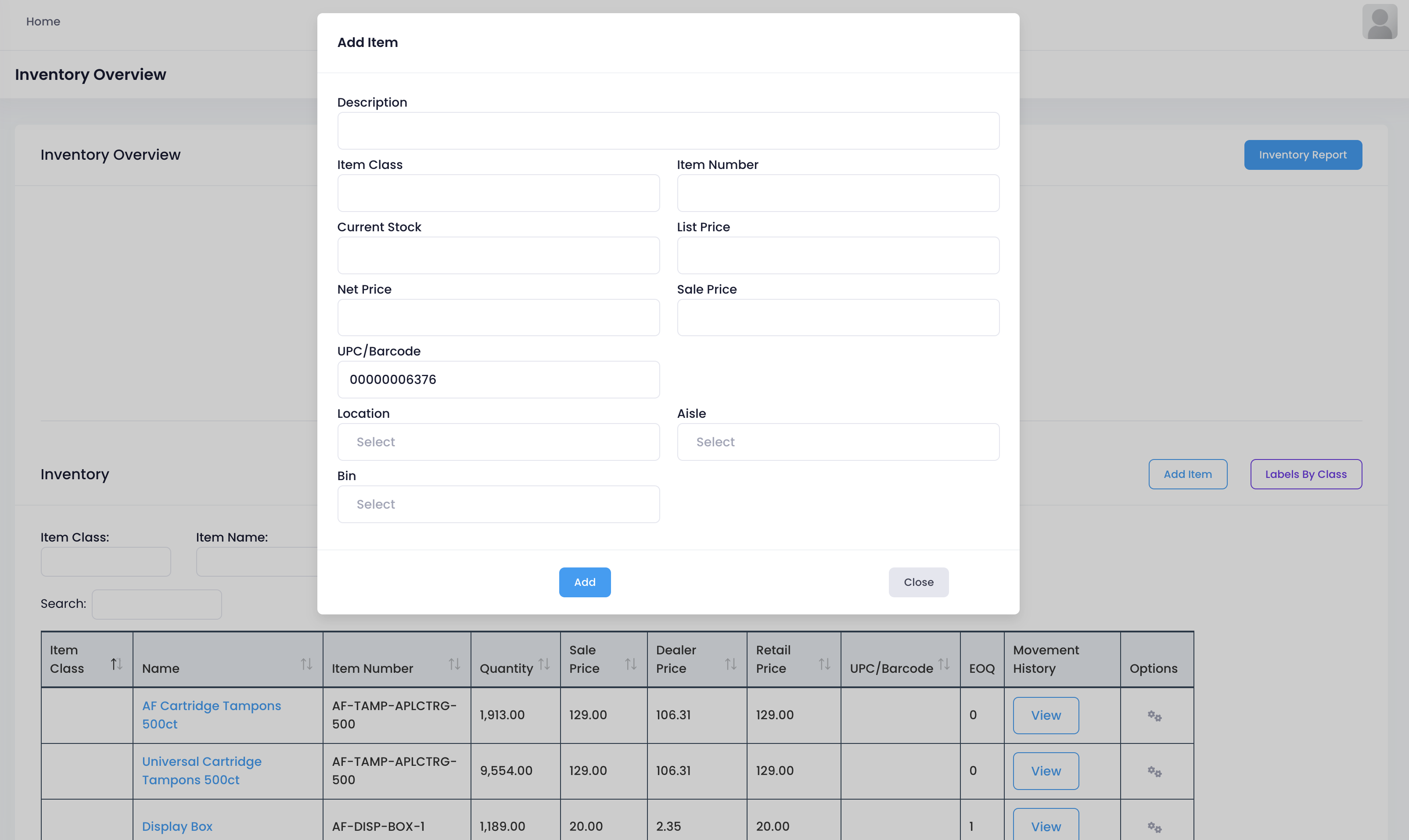
Four million dollars worth of goods, every single item has a precise coordinate. Not somewhere in the warehouse, but Aisle A, Rack 3, Shelf 5, Second Layer. Finding items no longer depends on memory or shouting across the warehouse to ask a colleague. Check the system and go directly.
There is also EOQ, economic order quantity. The system calculates how much to order at one time to be most cost effective. No more ordering based on gut feeling. No more worrying about tying up too much capital.
Inventory Management Can Be This Clear
Many people think managing inventory means counting numbers and doing stock takes. But this system shows another possibility:
Under the total amount there are details. Behind the details there are destinations. Next to the destinations there are names. Beside the names there are locations. Every number is connected. Every item can tell its story: where it came from, where it went, whose hands it passed through.
Four million dollars worth of inventory is not easy to manage. But with this system, every item is clear, every transaction is transparent.