Managing Receivables? Start with These Three Numbers

Summary
×25K on the books sounds good.
But anyone in business knows the difference between numbers on paper and money in the bank. How much of that 25K has actually been received? How much is still out there? Which invoices have been sitting for three months? Which ones don't even have a payment date yet?
Receivables are tricky. The problem is not a small number. The problem is not being able to see clearly.
This system breaks down your receivables so every dollar leaves a trace.
Total and Details, One View
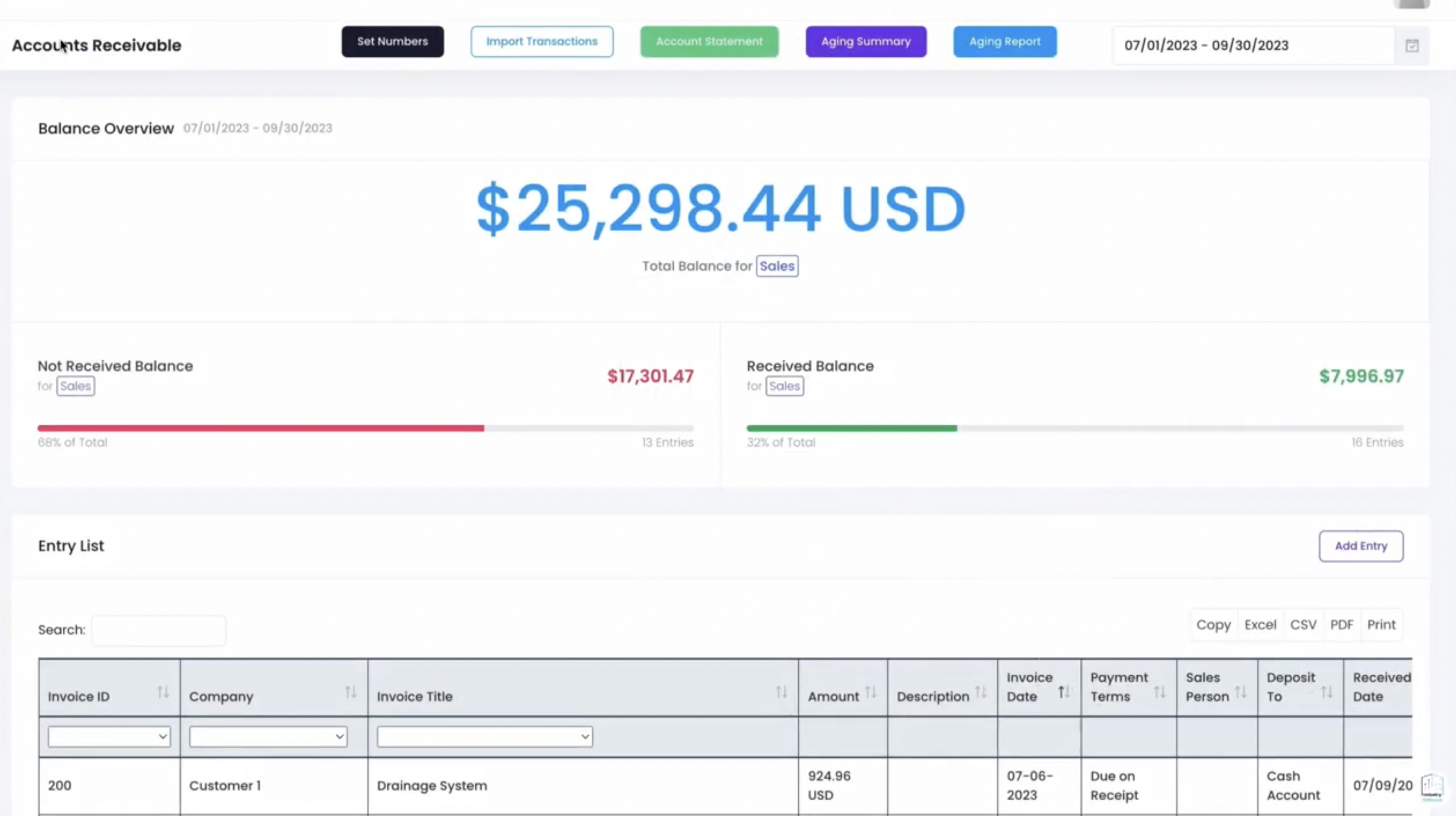
Open the page. At the top is the overview: $25,298.44. That is total sales for this period.
Below are two blocks. On the left, money not yet received: $17,301.47. That is 68 percent of the total, across 13 invoices. On the right, money already received: $7,996.97. That is 32 percent, across 16 invoices. One look tells you: 68 percent of your money is still out there, with 13 customers who have not paid.
Scroll down to the receivables list. Every row is one invoice: Invoice ID, customer name, amount, invoice date, payment terms, sales person, deposit account, received date. Payment terms matter most. Due on Receipt or Net 10. One look tells you whether and how to follow up.
Recording Is Leaving Evidence
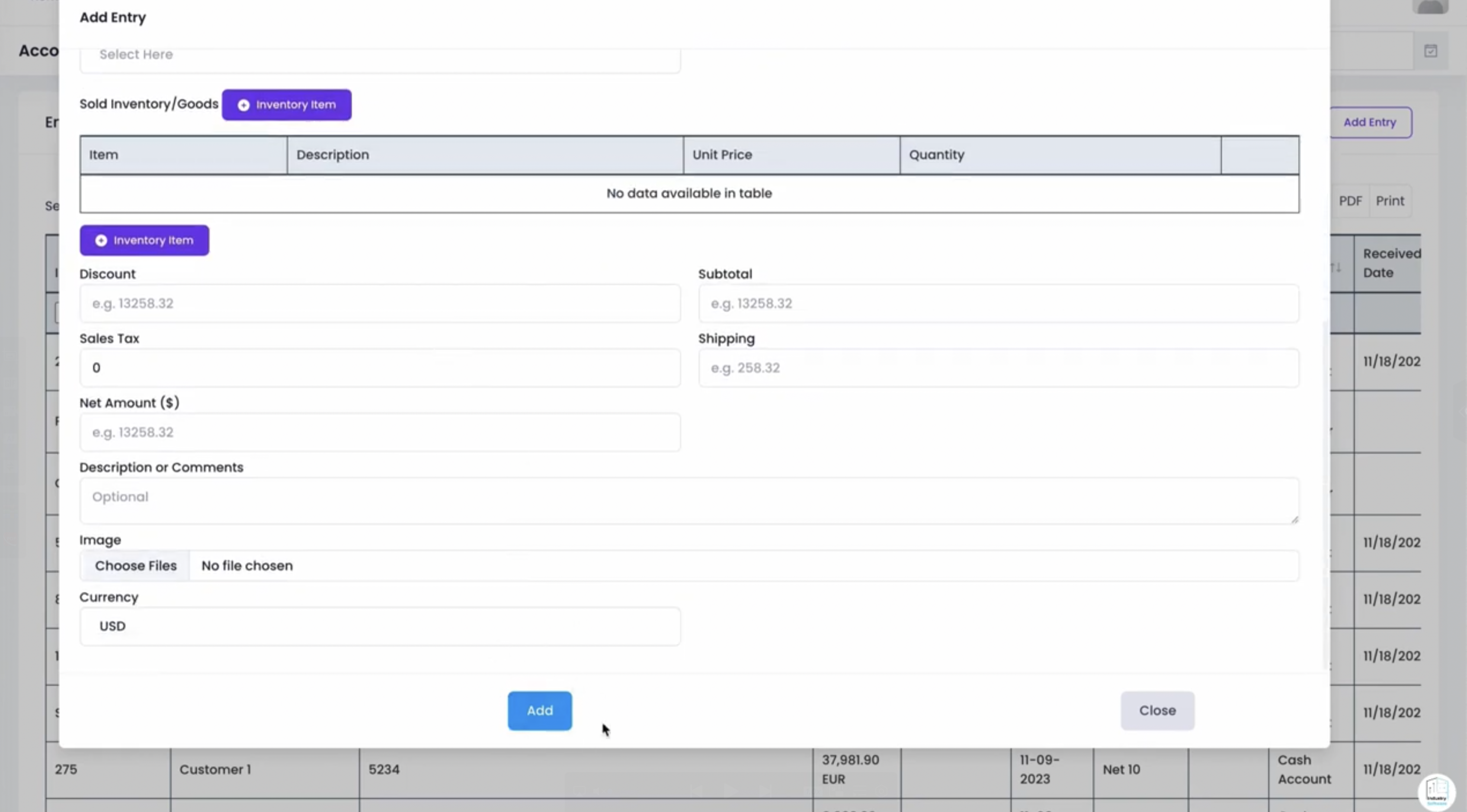
The Add Entry page breaks down every income: what item was sold, unit price, quantity. Any discounts, taxes, shipping costs. Net amount calculated automatically. Add notes, attach files.
When reconciling, one cent off means hours of searching. When a customer asks, you need to explain. When audit comes, every entry needs backup.
One Easily Overlooked Perspective
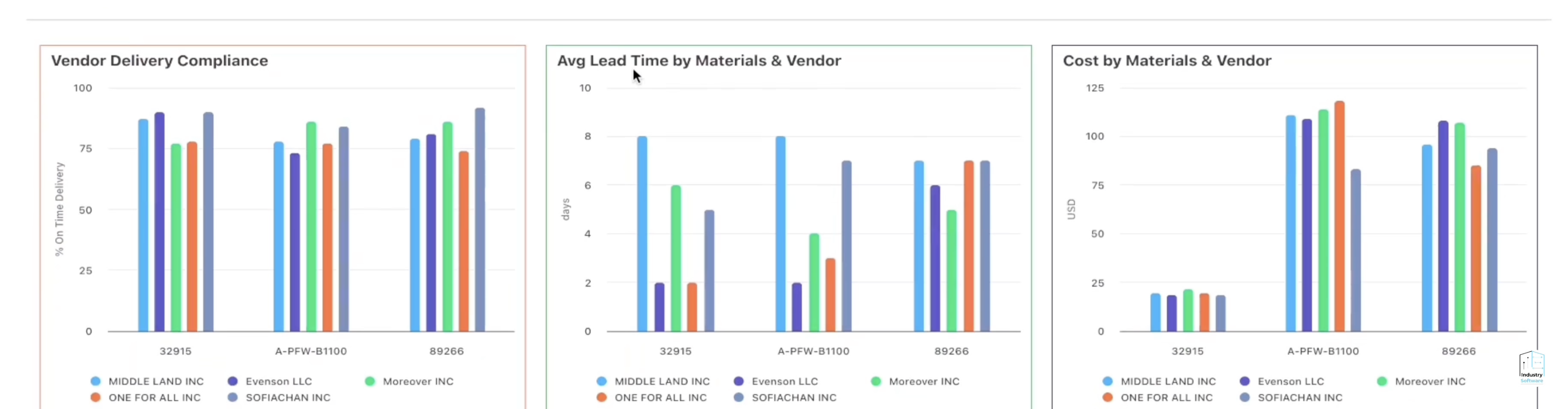
This table tracks supplier delivery compliance.
Suppliers deliver late, your production gets delayed. Production delayed, your shipping gets delayed. Shipping delayed, customers don't pay. It all shows up in your receivables.
Managing receivables is not just chasing customers. It is watching your upstream too.
See Every Dollar Clearly
Many people manage receivables by adding up totals at month end. This system shows another way:
Under the total are details. Behind the details are customers. Next to customers are payment terms. Upstream is supplier data telling you what might slow down payment.
Every dollar is traceable. Every link that might delay payment has data reminding you.
25K in receivables is not hard to manage. What is hard is not seeing clearly.