Executive Summary
In the rapidly evolving landscape of Industry 4.0, digital transformation is no longer an option but a prerequisite for survival. This white paper outlines a strategic roadmap for manufacturers to navigate the transition from siloed legacy operations to a unified, intelligent enterprise ecosystem.
The core of this transformation lies in the ability to convert raw operational data into actionable strategic intelligence. For many enterprises, the journey begins with the consolidation of fragmented data streams, ranging from shop floor sensor data to high level financial reporting, into a single, coherent digital thread. This thread provides the necessary transparency to identify inefficiencies, predict market shifts, and respond with agility to supply chain disruptions.
We explore the fundamental pillars of transformation: data democratization, operational agility, and the integration of artificial intelligence into core business processes. By examining real-world system implementations, we demonstrate how granular visibility leads to enterprise level (macro) excellence.
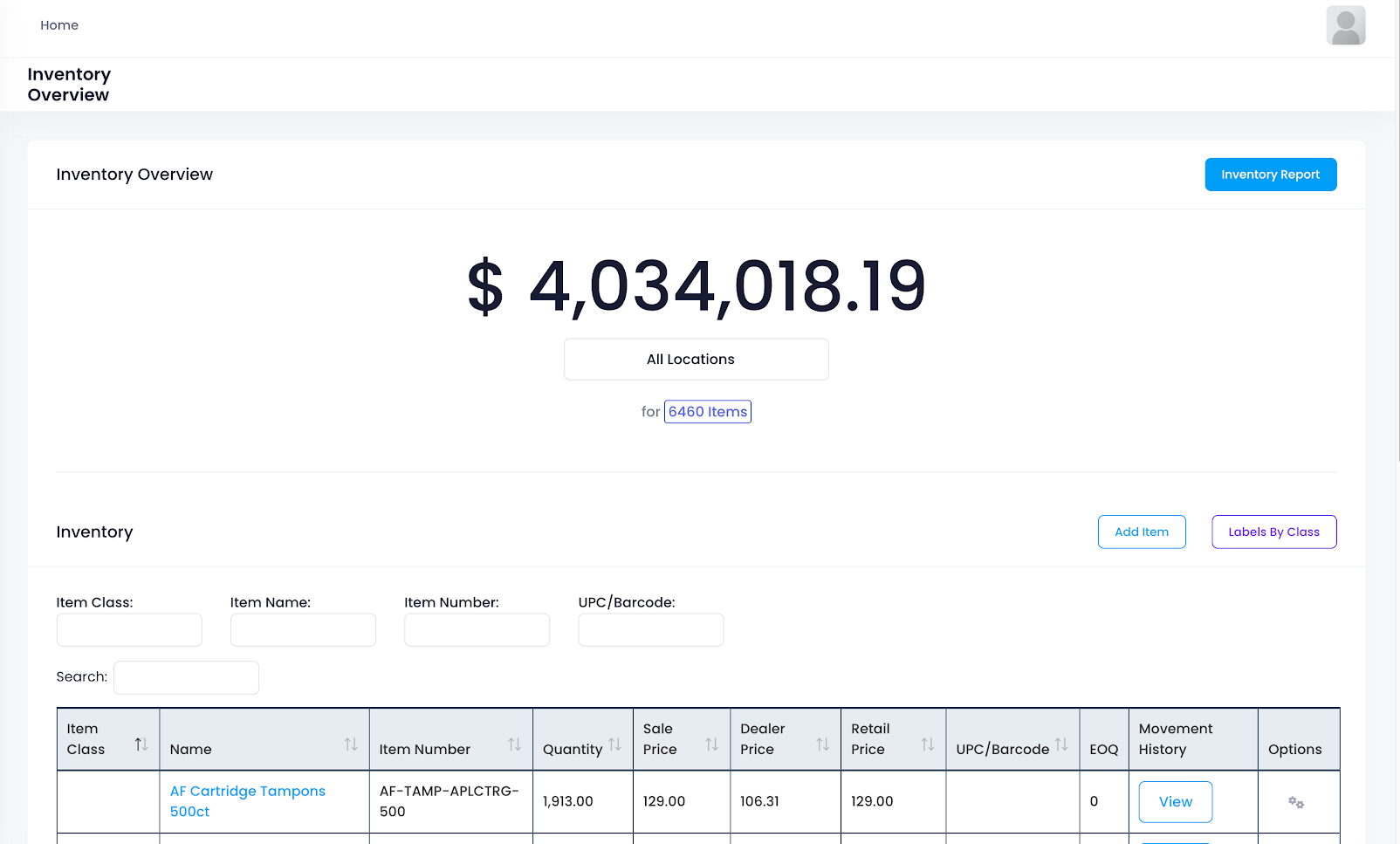
Deep Analysis: The Financial Impact of Real Time Visibility
As illustrated in Figure 1, the ability to aggregate inventory valuation in real time, in this case, exceeding $4 million, represents a quantum leap in financial control. Traditional manufacturing models often suffer from "valuation lag," where financial statements are reconciled weeks after the actual physical movement of goods. By digitizing this process, CFOs and operations managers gain instantaneous insight into working capital tied up in raw materials, work in progress (WIP), and finished goods.
This level of transparency enables more aggressive Lean Manufacturing strategies. When an enterprise can trust its digital inventory records to within 99.9% accuracy, safety stock levels can be reduced by up to 15-20%, directly freeing up cash flow for R&D and market expansion. Furthermore, the dashboard serves as a "single source of truth," eliminating the costly discrepancies between the warehouse floor and the general ledger.
The Challenges of Legacy Systems
Many enterprises remain tethered to fragmented systems that impede real time decision making. These "islands of information" create significant bottlenecks, including:
- Lack of end to end visibility across the supply chain.
- High maintenance costs for outdated infrastructure.
- Inability to leverage advanced analytics due to poor data quality.
The Three Pillars of Success
Foundation: Unified Data Architecture
Establishing a single source of truth by integrating ERP, MES, and WMS systems into a cohesive digital core.
A unified architecture is built upon the integrity of Master Data Management (MDM). Without standardized data entry, the "garbage in, garbage out" principle inevitably leads to operational chaos. Digitization requires every item, vendor, and customer to be governed by a rigorous set of attributes that facilitate cross departmental communication.
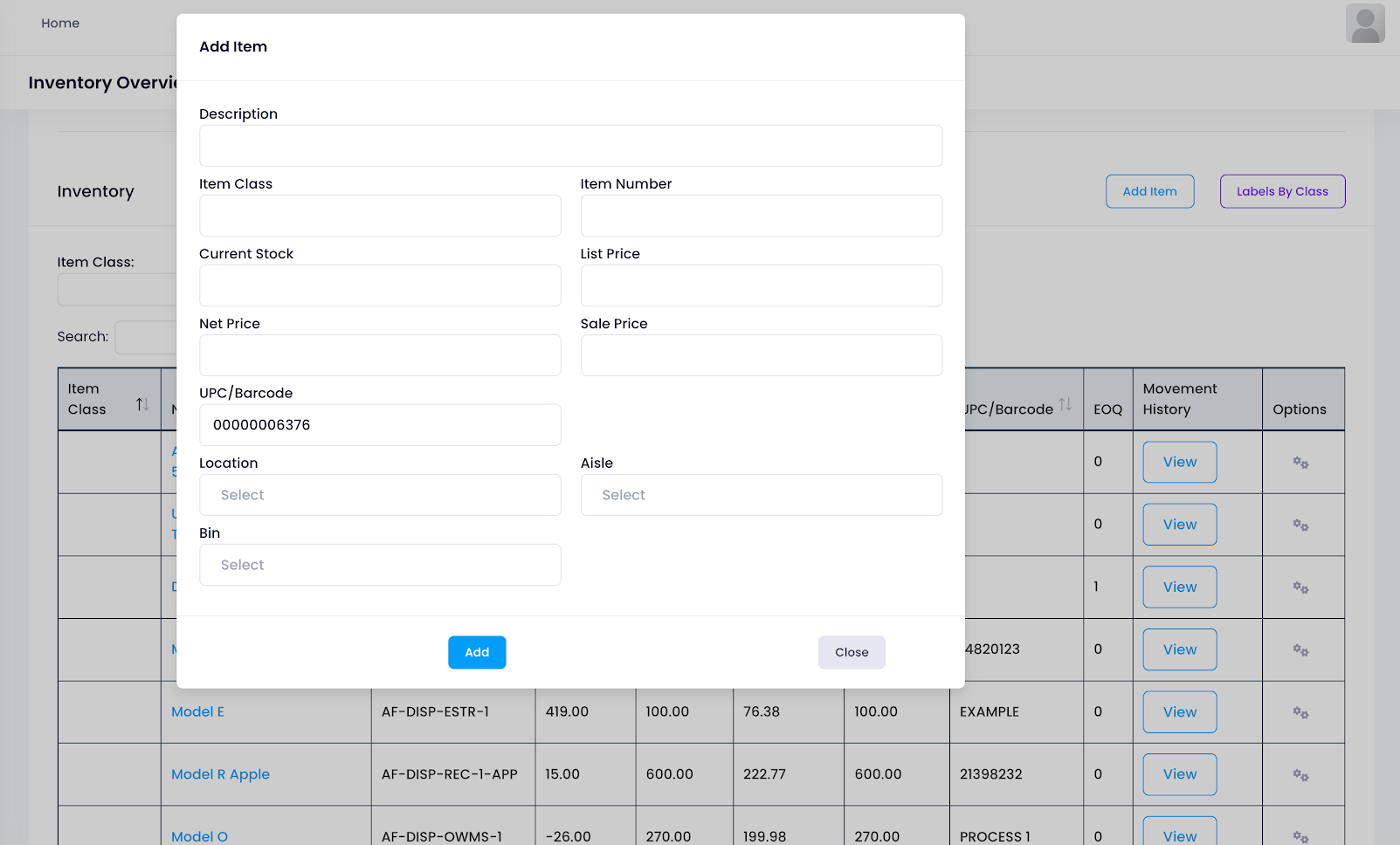
As shown in the "Add Item" interface (Figure 2), modern ERP systems enforce data governance at the point of entry. By requiring specific parameters, such as SKU classifications, UoM (unit of measure) standards, and lead time variables, the system ensures that downstream processes like procurement and production planning are based on accurate constraints. This structural integrity is the bedrock upon which automation and advanced robotics are eventually deployed.
Intelligence: AI & Predictive Analytics
Transitioning from reactive to proactive operations by utilizing machine learning to predict maintenance needs and optimize production schedules.
The digitization of the sales and fulfillment cycle provides the rich datasets required for predictive modelling. When order management is fully integrated with inventory and production, the system can begin to recognize patterns in customer demand, seasonal fluctuations, and supplier reliability.
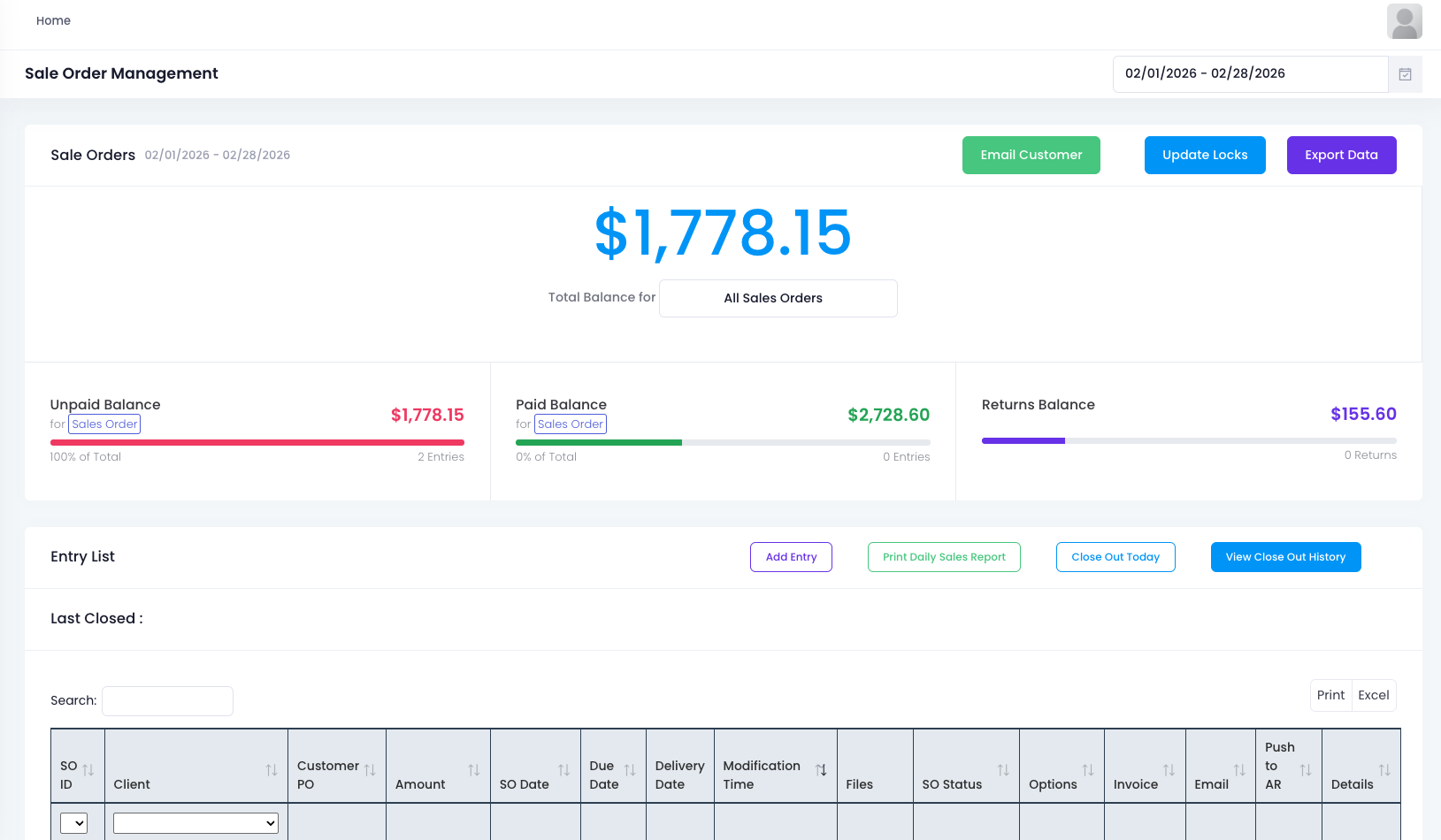
The sales order management interface (Figure 3) is more than just a tracking tool; it is a strategic sensor. By analyzing the velocity of orders across different product lines, manufacturers can shift from "push" to "pull" production models. In an advanced digital enterprise, an uptick in sales orders in one region can automatically trigger adjustments in raw material procurement and labor scheduling in another, effectively creating a self healing supply chain.
Culture: Agile Workforce Integration
Empowering the frontline with mobile tools and real time insights, fostering a culture of continuous improvement and digital fluency.
Technology alone is insufficient for a successful transformation; the human element must be synchronized with digital workflows. By providing operators and managers with intuitive interfaces, like the ones analyzed in our sales and inventory modules, enterprises reduce the cognitive load on their workforce and minimize training overhead.
A digitally fluent workforce can leverage real time data to make decentralized decisions, drastically reducing the time to resolution for shop floor issues. This shift from hierarchical command and control to agile, data empowered teams is a hallmark of "Enterprise Excellence."
The Architecture of Resilience: Overcoming Disruption
In the wake of global supply chain volatility, "resilience" has moved from a buzzword to a critical operational metric. A digital enterprise architecture provides the buffer needed to absorb shocks that would cripple traditional manufacturers.
Redundancy through Information
Traditional resilience often meant carrying excessive inventory (physical redundancy). Digital resilience, however, relies on information redundancy. By having deep visibility into supplier capacities and transit times, an enterprise can pivot its procurement strategy in hours rather than weeks. The Sale Order system (Figure 3) integrated with global logistics tracking allows for "Dynamic Rerouting," ensuring that high priority customers are serviced even during regional port closures or transportation strikes.
Cyber Physical Security
As operations become more interconnected, the surface area for cyber threats increases. Modern digital transformation includes the hardening of these "cyber physical" systems. Robust ERP architectures ensure that data is encrypted, access is role based (as seen in the granular permissions required for the "Add Item" interface in Figure 2), and system integrity is monitored 24/7. Digital transformation, when executed correctly, actually enhances security by replacing insecure, manual paper trails with audited, immutable digital logs.
Strategic Implementation Roadmap
Transitioning to a digital enterprise is a phased journey. Our analysis of high performing industrial organizations reveals a consistent pattern of maturity:
Phase I: Digital Visibility (Months 1-6)
The objective is to eliminate "blind spots" in the operation. This involves the deployment of real time monitoring tools as seen in our Inventory Dashboard analysis. By the end of this phase, the enterprise should have a 360 degree view of its assets and financial commitments.
Phase II: Process Optimization (Months 6-18)
With accurate data flowing through the system, the focus shifts to streamlining workflows. This is where standardized data entry (Figure 2) and automated order processing (Figure 3) yield their highest ROI by reducing manual labor and cycle times.
Phase III: Intelligent Automation (Month 18+)
The final phase involves layering AI and machine learning over the established data foundation. At this stage, the system begins to make autonomous recommendations for production scheduling, energy management, and supply chain routing.
Conclusion: The Future of Manufacturing
The journey toward enterprise excellence is iterative and requires a steadfast commitment to data integrity and process discipline. As demonstrated through our system analysis, the rewards of digital transformation, increased liquidity, operational resilience, and competitive agility, far outweigh the initial investment costs.
In the coming decade, the gap between "digital leaders" and "digital laggards" will widen into an unbridgeable chasm. By adopting a structured roadmap and leveraging robust software architectures, manufacturers can ensure they remain on the right side of this industrial divide.