In the fast paced world of manufacturing and supply chain coordination, efficiency isn't just a goal, it's a necessity. Today, we're diving deep into how an integrated Purchase Order Management system can transform your procurement process from a chaotic paper trail into a streamlined engine for growth.
Effective procurement is the backbone of any successful industrial operation. Without clear visibility into what’s being ordered, when it’s arriving, and how much it costs, businesses face constant risks of production delays and financial leakage. Modern solutions are now moving beyond simple data entry toward intelligent, end to end control.
Centralizing the Procurement Workflow
The first step toward optimization is centralization. A robust Purchase Order Center serves as the "single source of truth" for all procurement activities. Instead of hunting through emails and spreadsheets, teams can access every order status in real time.
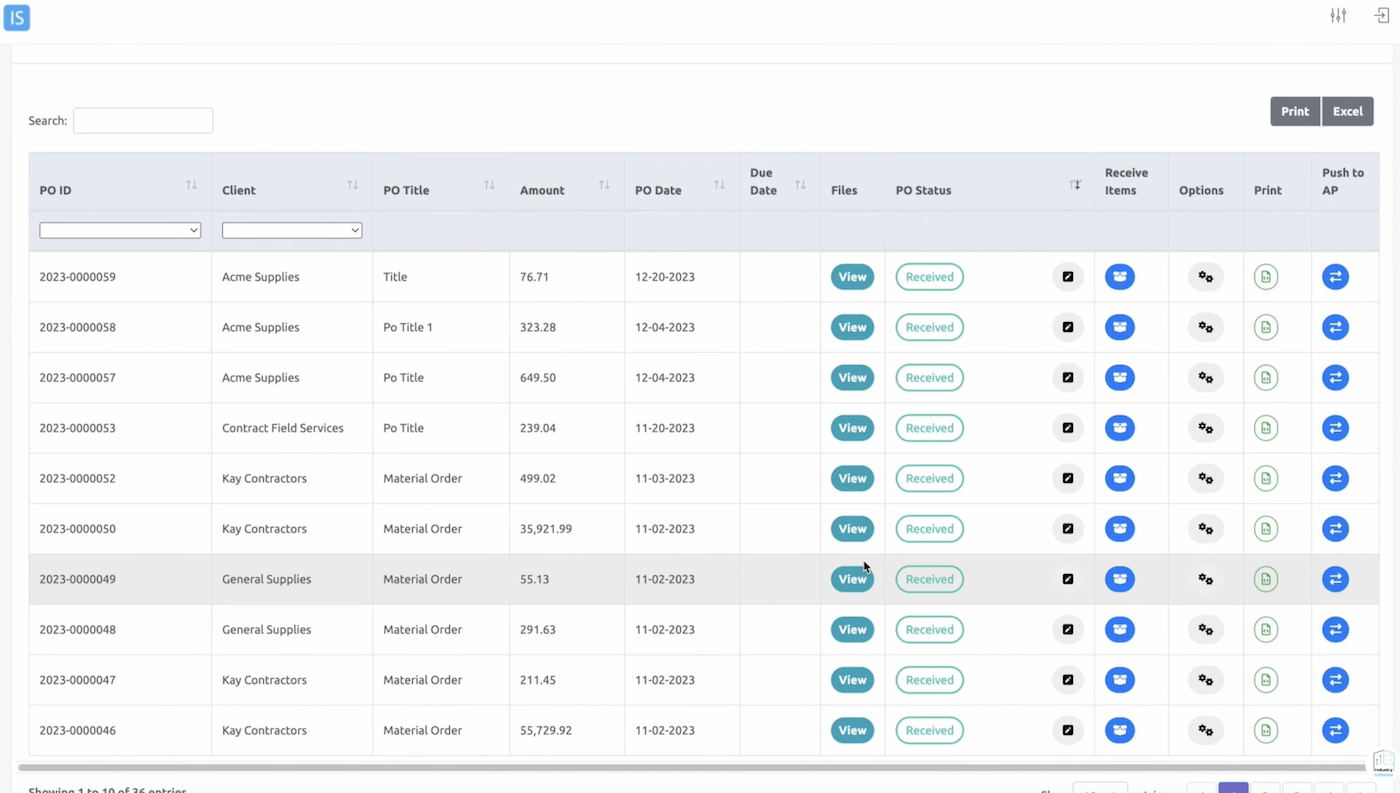 Figure 1: The Purchase Order Center provides a bird's eye view of all procurement activities, allowing for instant filtering and status tracking.
As shown in our centralized dashboard, users can track unique PO IDs, client details, and order titles. The ability to instantly "View" associated documents or "Push to AP" ensures that the transition from receiving goods to accounting reconciliation is seamless and error free.
"Transparency in procurement leads to cleaner accounting and significantly reduced supply chain risks."
Intelligent Material Forecasting
One of the most critical challenges in manufacturing is "stock out" situations. When a single $5 valve is missing, a million dollar production line can grind to a halt. This is where intelligent material gap analysis becomes a game changer.
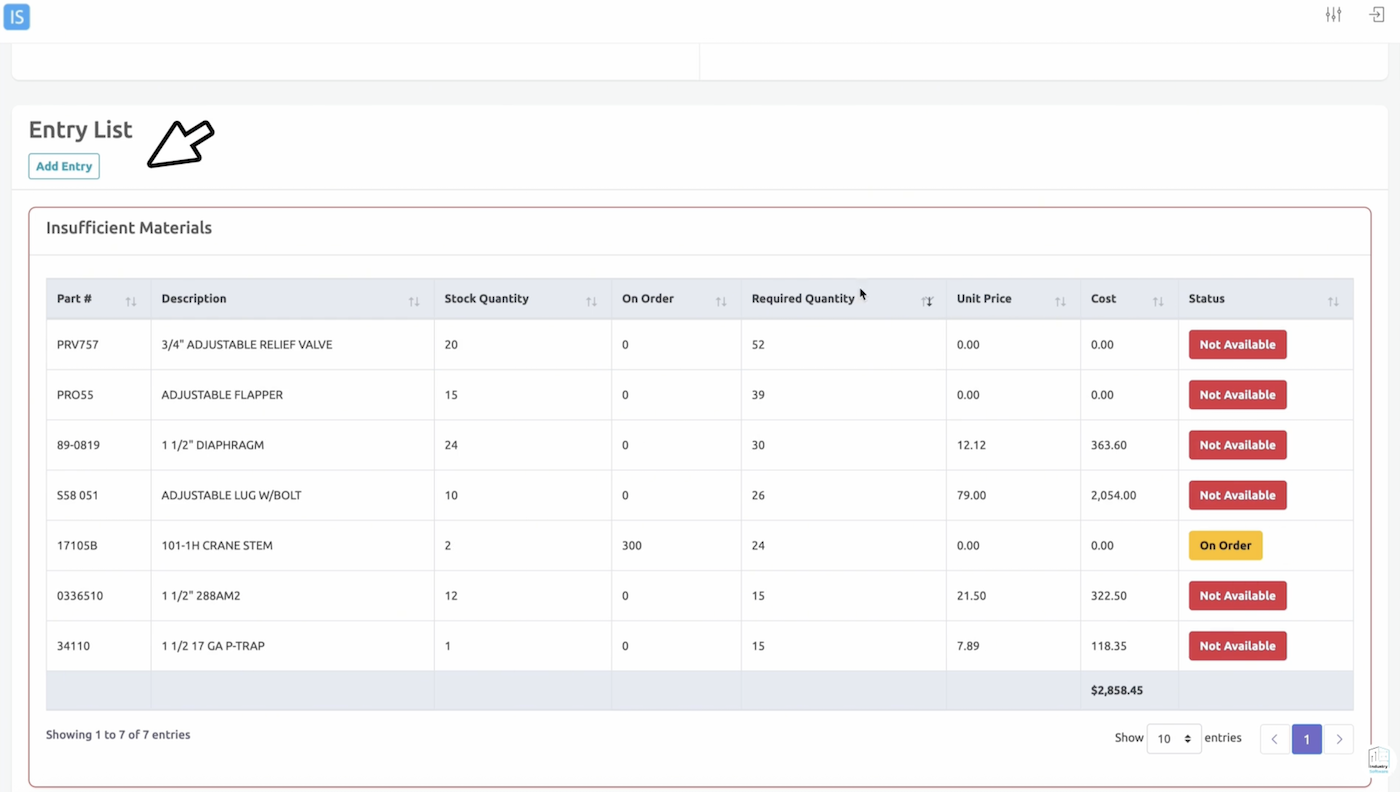 Figure 2: The Insufficient Materials list automatically flags bottlenecks, comparing current stock against production requirements.
The system automatically identifies parts with insufficient stock. By comparing "Stock Quantity," "On Order," and "Required Quantity," procurement managers can prioritize urgent orders for items like relief valves or diaphragms before they cause a production stoppage.
Financial Transparency: Beyond the Numbers
Procurement isn't just about moving boxes; it's about managing capital. Modern dashboards now provide real time visibility into financial commitments, helping leadership manage cash flow with surgical precision.
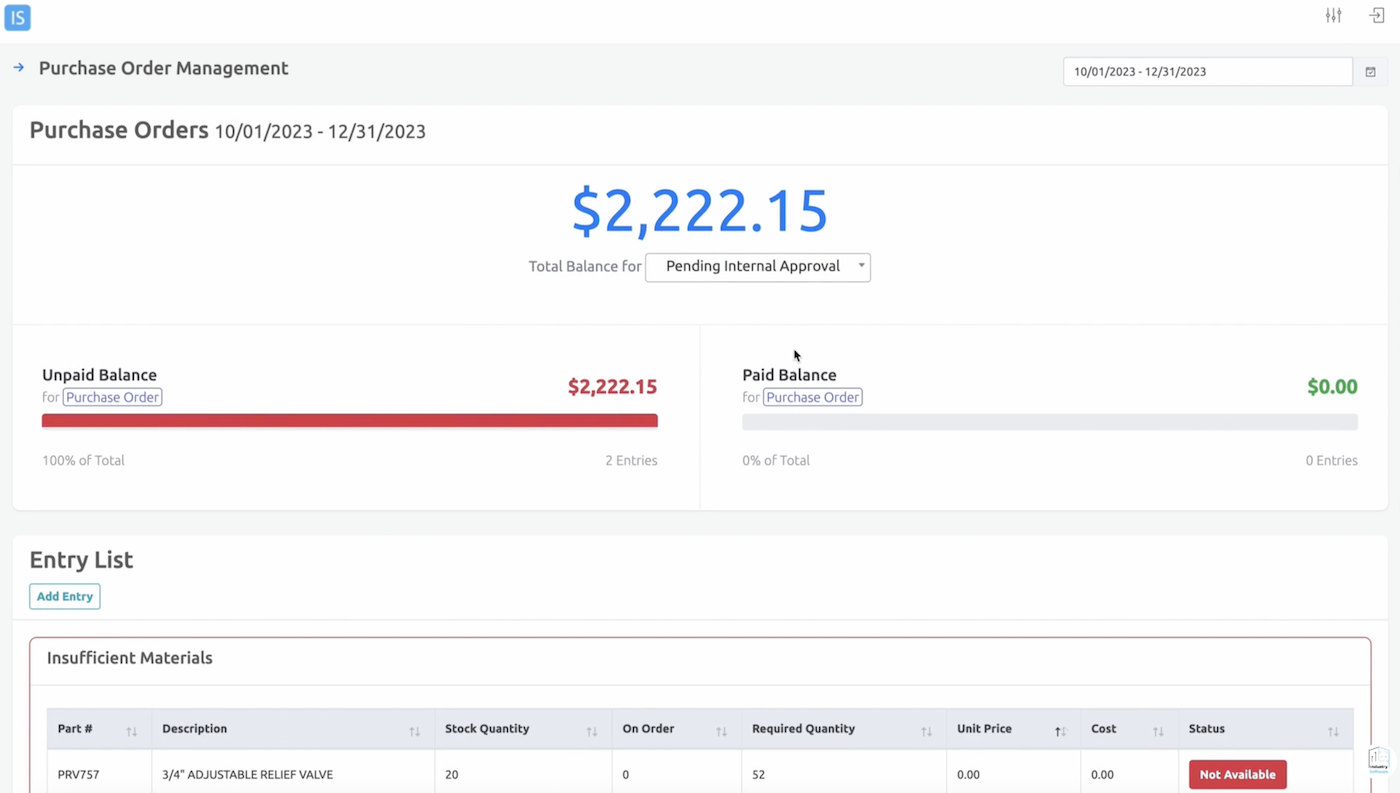 Figure 3: Visual financial tracking helps distinguish between paid and unpaid balances, ensuring total control over procurement spend.
With high level summaries of total balances and visual breakdowns of "Paid" versus "Unpaid" amounts, the system allows for better financial forecasting. Managers can filter balances by approval status, such as "Pending Internal Approval", to understand upcoming liabilities and ensure that budgets are respected.
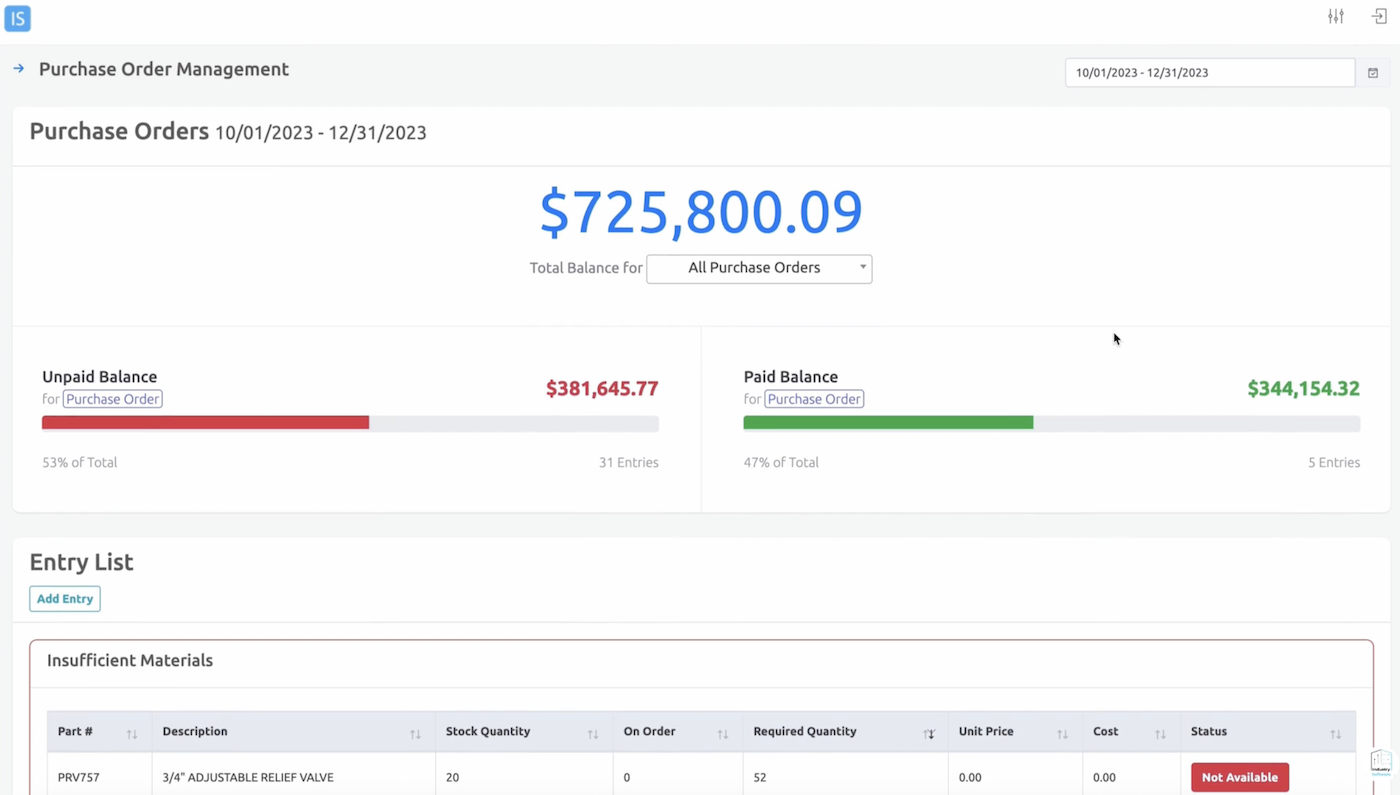 Figure 4: A comprehensive view of all purchase orders provides the ultimate clarity needed for year end audits and quarterly planning.
The Road Ahead: Agentic Procurement
As we look to the future, the integration of AI and agentic workflows will further automate these multi step chores. Just as Chrome is introducing auto browsing for complex tasks, industrial software is evolving to handle the "mundane work" of researching suppliers and hotel costs for logistics, allowing your team to focus on strategic decision making.
By adopting these modern Purchase Order Management practices, companies can ensure procurement transparency, on time delivery, and clean accounting, boosting efficiency and reducing risk across the entire supply chain coordination.